
















Throughout human history, symbols have served as a bridge between the tangible and the intangible—conveying complex ideas, religious beliefs, and cultural identities across generations. Today, these ancient motifs continue to influence modern visual language and entertainment, especially in the realm of game design. Understanding the deep-rooted significance of these symbols offers valuable insights into how patterns shape both our cognition and our cultural expressions.
Table of Contents
- Introduction to Ancient Symbols and Their Cultural Significance
- The Concept of Pattern Recognition in Human Cognition
- From Sacred Symbols to Design Elements: The Journey of Visual Patterns
- Ancient Symbols as Inspiration for Modern Game Design
- Case Study: «Le Pharaoh» – Bridging History and Modern Entertainment
- The Role of Visual and Audio Cues in Accessible Game Design
- Patterns and Symbols as Cognitive Tools in Learning and Play
- Non-Obvious Connections: Ancient Symbols in Modern Technology and Media
- Future Perspectives: Evolving Uses of Ancient Symbols in Interactive Media
- Conclusion: The Enduring Power of Ancient Symbols in Shaping Modern Experiences
Introduction to Ancient Symbols and Their Cultural Significance
Overview of Ancient Symbols Across Civilizations
Ancient civilizations such as Egypt, Mesopotamia, China, and Mesoamerica developed rich systems of symbols—hieroglyphs, ideograms, runes, and motifs—that conveyed religious beliefs, societal values, and historical narratives. For example, Egyptian hieroglyphs combined pictorial symbols with phonetic signs, creating a complex visual language that remains influential today.
The Role of Symbols in Communication, Religion, and Identity
Symbols served as essential tools for communication—carrying stories, laws, and spiritual concepts—beyond spoken language. Religious rituals often relied heavily on symbolic objects and gestures to connect humans with divine forces. Moreover, symbols fostered cultural identity, as seen in national emblems or clan insignias, reinforcing communal bonds across time.
How Symbols Evolve and Influence Modern Visual Language
Over centuries, many ancient symbols have been stylized, abstracted, or integrated into modern design. The Ankh, symbolizing life in Egypt, inspires contemporary logos and fashion. Similarly, geometric motifs like spirals or zigzags, originating in prehistoric art, are prevalent in modern branding and digital interfaces, illustrating the enduring legacy of these visual patterns.
The Concept of Pattern Recognition in Human Cognition
Psychological Basis for Recognizing and Interpreting Patterns
Humans are inherently pattern-seeking creatures. Cognitive science demonstrates that our brains are wired to detect regularities in visual, auditory, and tactile stimuli. This ability is fundamental for survival, enabling quick identification of threats, resources, or social cues. For instance, recognizing the repeating pattern of a predator’s tracks or a familiar symbol can trigger appropriate responses.
Educational Importance of Pattern Recognition Skills
Developing pattern recognition is crucial in early childhood education, as it underpins skills in mathematics, reading, and problem-solving. For example, children learning to identify shapes, sequences, or letter patterns build foundational cognitive abilities that foster critical thinking and creativity later in life.
Examples from Early Learning and Cognitive Development
Consider the use of pattern blocks or color sequences in preschool curricula. These tools help children internalize regularities, which later translate into complex skills such as decoding words or solving puzzles. Such early experiences highlight the importance of pattern recognition as a cognitive tool that extends from play to academic success.
From Sacred Symbols to Design Elements: The Journey of Visual Patterns
Transition from Spiritual to Artistic and Commercial Uses
Ancient symbols originally served sacred purposes—marking religious sites, rituals, or divine concepts. Over time, these motifs transitioned into decorative art, textiles, and eventually commercial branding. For example, Celtic knotwork, once a spiritual motif, now appears in jewelry and fashion, symbolizing eternity and interconnectedness.
Influence of Ancient Motifs on Modern Graphic Design and Branding
Modern graphic design frequently incorporates ancient patterns to evoke cultural depth or authenticity. Logos such as the Starbucks mermaid or the geometric patterns in luxury brands draw inspiration from historical symbols, creating visual cues that resonate emotionally and culturally with audiences.
Case Studies of Symbols in Contemporary Media
In media, symbols like the lotus flower in Asian films or the Ouroboros in fantasy series serve as visual shorthand for themes like rebirth or infinity. These motifs are adapted to fit modern aesthetics while retaining their symbolic power, demonstrating the seamless evolution from sacred to popular culture.
Ancient Symbols as Inspiration for Modern Game Design
Why Game Designers Incorporate Historical Symbols
Game developers often utilize ancient symbols to evoke a sense of mystery, history, and cultural depth. These symbols—such as Egyptian scarabs or Mayan glyphs—serve as thematic anchors that enrich storytelling and create immersive environments. They also facilitate intuitive gameplay, as players recognize familiar motifs and associate them with specific functions or narratives.
The Educational Value of Symbol-Based Themes in Games
Incorporating symbols from history can transform games into educational tools. For example, puzzle games that require decoding hieroglyphs or deciphering runes promote cultural learning and historical awareness. This approach leverages pattern recognition and contextual understanding, making learning engaging and memorable.
How Symbolism Enhances Storytelling and Player Engagement
Symbols serve as narrative devices, conveying complex themes succinctly. A game featuring ancient Egyptian motifs can evoke themes of eternity, rebirth, and divine authority, deepening player immersion. When combined with compelling storytelling, these symbols create a layered experience that resonates emotionally and intellectually.
Case Study: «Le Pharaoh» – Bridging History and Modern Entertainment
The Game’s Adaptation of Egyptian Symbols and Motifs
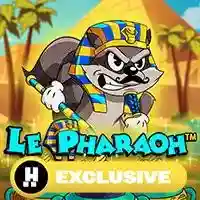
«Le Pharaoh» exemplifies how ancient Egyptian symbolism can be integrated into engaging entertainment. The game features hieroglyph-inspired icons, scarabs, and golden temples, creating an authentic atmosphere that educates players about Egypt’s cultural heritage while providing entertainment. These motifs serve as visual cues that guide gameplay and reinforce thematic elements.
Educational Aspects: Learning About Ancient Egypt Through Gameplay
Players encounter hieroglyphs and symbols that require decoding, fostering cognitive skills and historical knowledge. Features like mini-educational pop-ups or lore snippets deepen understanding, making the game a learning experience that bridges entertainment and education. For more insights into how such integration works in practice, explore le pharaoh casino.
Unique Features: Accessibility and Engagement
«Le Pharaoh» incorporates audio cues for players with visual impairments, translating ancient symbols into sounds and vibrations. Features like gold clovers as multipliers and character designs inspired by Egyptian deities enhance both accessibility and entertainment. Such innovations demonstrate how symbolism can be adapted for inclusive play.
The Role of Visual and Audio Cues in Accessible Game Design
Importance of Inclusivity for Visually Impaired Players
Accessibility in gaming ensures that players with disabilities can enjoy the experience. Translating visual symbols into audio cues—such as sounds corresponding to hieroglyphs—allows visually impaired players to interpret game elements through hearing. This practice broadens the reach of cultural symbols and promotes inclusive engagement.
How Ancient Symbols Are Adapted into Audio and Visual Cues
For example, a scarab motif might be represented by a clicking sound or vibration pattern, while visual hieroglyphs are paired with descriptive audio. Such multi-sensory adaptations not only improve accessibility but also deepen players’ understanding of symbolic meanings and their cultural contexts.
Educational Benefits of Multi-Sensory Engagement in Gaming
Engaging multiple senses enhances memory retention and comprehension. When players associate sounds or tactile feedback with visual symbols, they develop a richer understanding of cultural motifs, making learning both effective and enjoyable. Such approaches exemplify how ancient patterns can be integrated into innovative, inclusive designs.
Patterns and Symbols as Cognitive Tools in Learning and Play
How Recognizing Patterns Aids Problem-Solving and Strategic Thinking
Pattern recognition enhances critical thinking, strategic planning, and problem-solving. In puzzle-based games, identifying recurring motifs or sequences helps players develop hypotheses and test strategies. For example, recognizing the pattern of Egyptian symbols can unlock puzzles that require decoding hieroglyphs, fostering cognitive flexibility.
Using Symbols to Foster Cultural Awareness and Historical Knowledge
Educational games that embed ancient symbols serve as cultural bridges. By engaging with these motifs, players learn about historical contexts, societal values, and mythologies. This approach transforms passive entertainment into active learning, promoting cultural literacy and appreciation.
The Pedagogical Potential of Integrating Ancient Symbols in Educational Games
Educational games designed around ancient symbols can develop multidimensional skills—visual literacy, historical knowledge, and strategic thinking—simultaneously. When these motifs are incorporated thoughtfully, they create engaging platforms for experiential learning that align with pedagogical best practices.
Non-Obvious Connections: Ancient Symbols in Modern Technology and Media
Symbols in User Interface Design and Branding
Modern UIs often incorporate ancient motifs to evoke trust, tradition, or mystery. For instance, minimalist hieroglyph-inspired icons are used in apps to suggest security or cultural depth. Such symbols leverage subconscious associations, making interfaces more intuitive and memorable.